If your lawn is getting worse even with watering, check for pests.
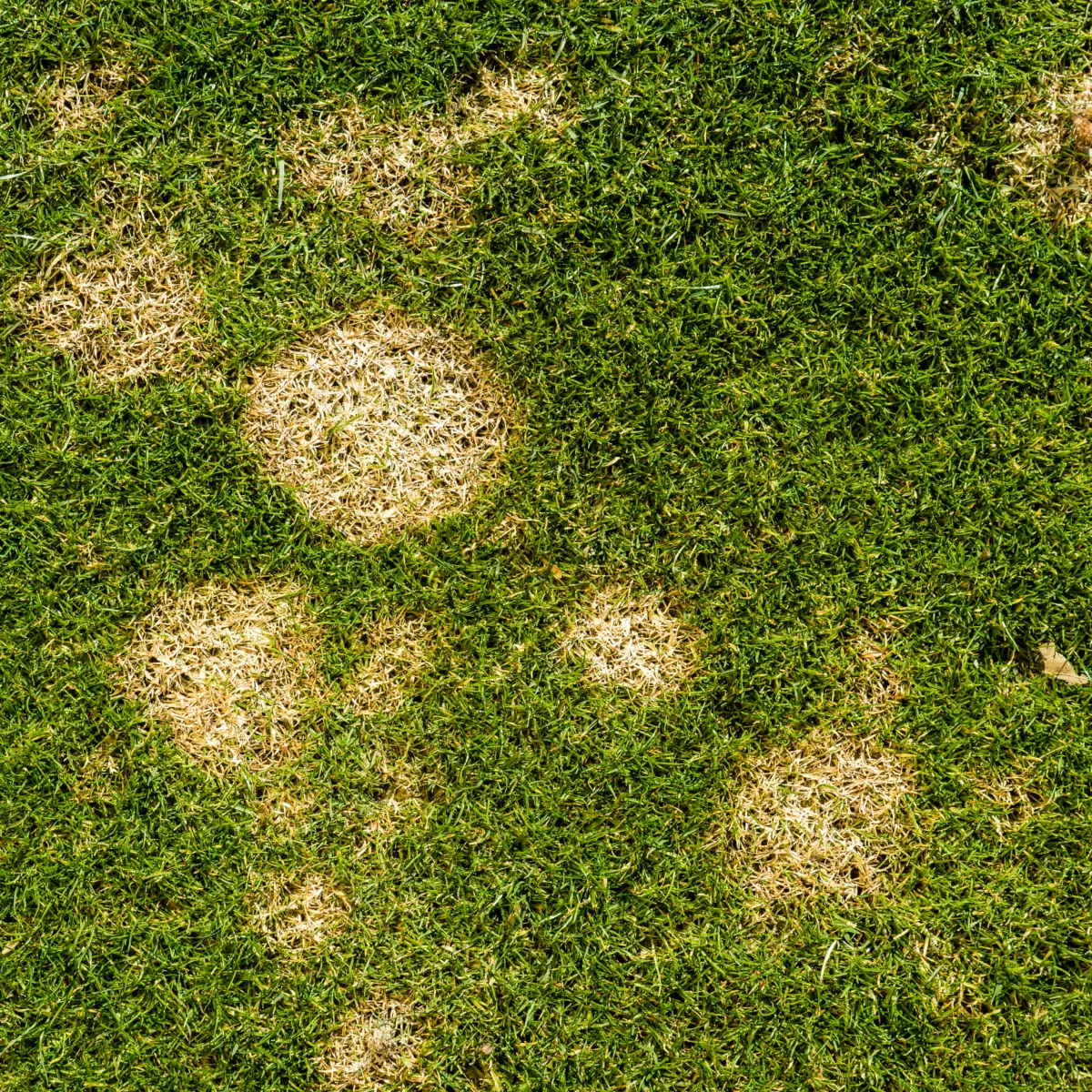
Dallas-Fort Worth lawns can go downhill fast when insects get involved. One week everything looks normal, and the next you’ve got brown patches, thinning areas, or grass that feels weak and spongy. A lot of homeowners assume it’s just heat or irrigation. Sometimes it is. But in North Texas, turf pests are a common reason lawns suddenly stop responding.
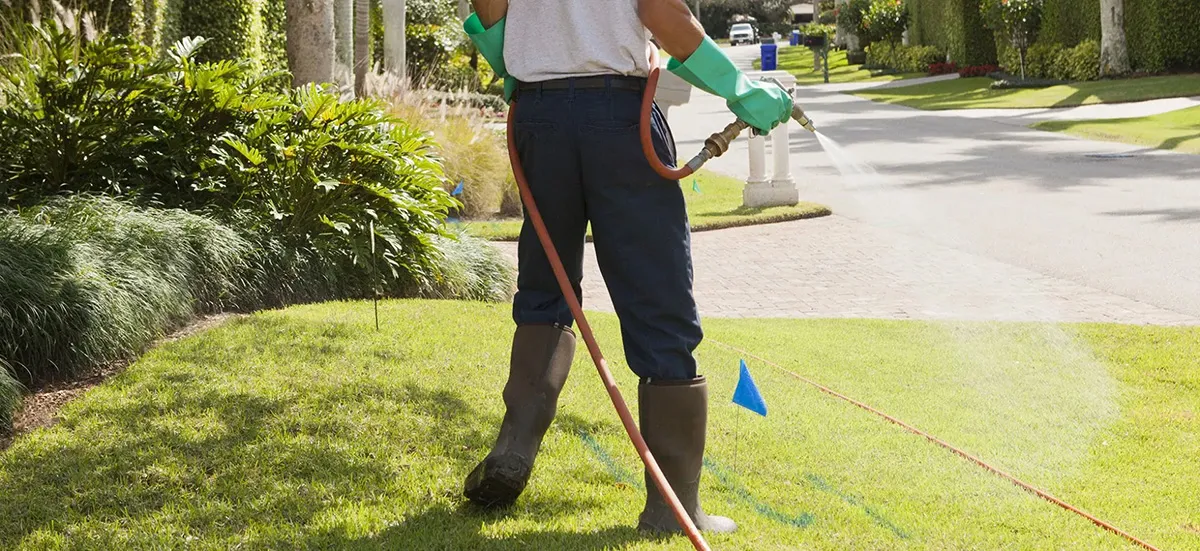
Weed Solutions provides lawn pest control in Dallas-Fort Worth, TX to help stop insect damage early, protect roots and turf, and prevent thinning that turns into a weed problem later. We focus on what’s actually active in your lawn, then treat it with a plan that fits the season and your grass type.
DFW lawns have predictable pest pressure.
In Dallas-Fort Worth, warm weather and long growing seasons give lawn pests plenty of time to cause damage. The best results come from treating the right pest at the right time, instead of spraying randomly.
You’ll know what we found, what we treated, and what to watch for next.
We treat what’s causing the damage, then help the lawn rebound.
We look at damage patterns, turf type, stress areas, and the most likely pests for the season.
We apply treatments designed to reduce the specific pest pressure in your yard, focusing on the areas that need it most.
If your property gets hit every year, prevention can help reduce repeat problems, especially for grub and summer insect pressure.
Pest pressure can shift with weather. If activity continues, we adjust the plan so the lawn doesn’t keep thinning.
These are the pests we see most often in DFW turf.
Not sure what it is? That’s normal. Most people only see the damage at first.
Grubs feed on roots. Damage can look like large brown patches, and turf may pull up easily in affected areas.
Chinch bugs feed on grass stems and can create drought-looking spots that don’t improve with watering.
Armyworms can chew through turf quickly. If the lawn looks ragged or “shaved down” in sections, they may be the cause.
These pests feed on grass blades and often show up as thinning and uneven turf density over time.
Mites can cause discoloration and thinning, especially during heat and drought stress.
Fire ants create mounds that interfere with mowing and make yards unsafe for kids and pets.
Pest damage has a few common tells.
If you’ve been watering more and the lawn still looks worse, it’s worth checking for insects.
Stopping the pests is step one. Keeping the turf strong is step two.
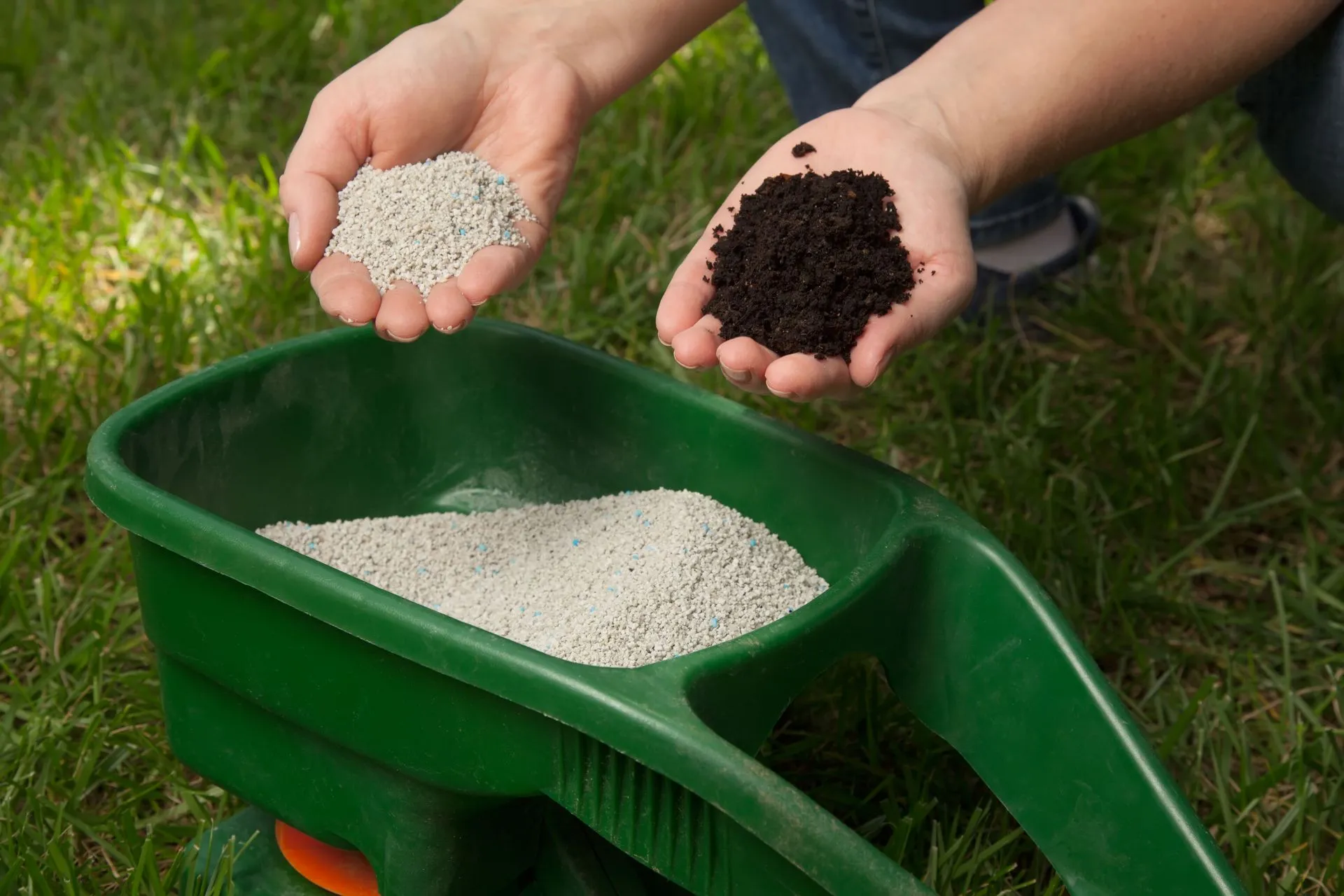
When pests thin the lawn, weeds move in. That’s why lawn pest control often works best alongside fertilization and weed control. A thicker, better-fed lawn is more resilient and less likely to get overrun after a pest flare-up.
If we see compaction, weak growth, or weed pressure making the lawn vulnerable, we’ll recommend the next best step.
Pests follow a seasonal rhythm in DFW.
Early activity begins as temps rise. Fire ants ramp up and turf starts to grow again.
Peak pressure for chinch bugs, armyworms, mites, and other turf insects, especially during long hot stretches.
Grub damage often becomes more noticeable and recovery can be slower if roots were hit hard.
Most activity slows, but thinning from the prior season is easier to spot and plan around.
Arlington, Irving, Garland, Plano, Richardson, Mesquite, Grand Prairie, Carrollton, Farmers Branch, Addison, Duncanville, DeSoto, Cedar Hill, Keller, Southlake, Colleyville, Grapevine, Hurst, Euless, Bedford, North Richland Hills, Mansfield, Burleson, Benbrook, Aledo
Quick answers before you schedule.
If your lawn is thinning, browning in odd patterns, or not responding the way it should, pests may be the reason. Request a quote from Weed Solutions and we’ll help you get ahead of the problem so your turf can recover and stay stronger through the season.