

Outdoor Lawn Pest Control
Weed Solutions Inc. provides lawn pest control for North Texas properties. Treatment covers common outdoor pests, including grub worms, fire ants, chinch bugs, armyworms, fleas, ticks, aphids, bagworms, and borers.
Your Lawn Pest Service
The lawn and landscape are checked for pest activity and visible damage before treatment.
Areas with thinning grass, insect activity, mounds, damaged plants, or other visible problems get a closer look.
The type of pest matters. Grubs, fire ants, chinch bugs, armyworms, fleas, and ticks do not all live or feed in the same places.
Grass, roots, soil, and landscape plants are checked where the pest is likely to be active.
Treatment is selected for the specific pest and the areas where it lives and shows activity.
The appropriate lawn or landscape areas are treated by our experienced technicians.
Keep an eye on the treated areas. Continued pest activity or new damage should be shared with our technicians for potential re-treatment.
Know What Is in Your Yard
Weed Solutions Inc. treats a range of pests found in North Texas lawns and landscapes.
Grubs live below the soil and feed on grass roots. Damage can show up as thinning, yellowing, or brown turf that pulls away from the soil more easily than healthy grass.
Fire ants build colonies in lawns and other outdoor areas. Visible mounds are an obvious sign, but much of the colony remains below the soil.
Chinch bugs feed on grass and can leave yellow or brown areas in the lawn. Damage can sometimes look like drought stress, especially during hot weather.
Armyworms feed on grass blades and can quickly damage turf when their numbers are high. Chewed grass and areas that suddenly look thin or scalped deserve attention.
Fleas and ticks can be found in lawns and other outdoor areas, particularly places used by pets or covered, protected areas where they can easily hide.
Aphids feed on plant growth and are more likely to affect trees, shrubs, and other landscape plants than the lawn itself.
Bagworms feed on trees and shrubs. Their hanging bags are often one of the easiest signs to spot on affected plants.
Borers can damage trees by feeding inside the trunk or branches. You may notice small holes, thinning leaves, or branches starting to die back.
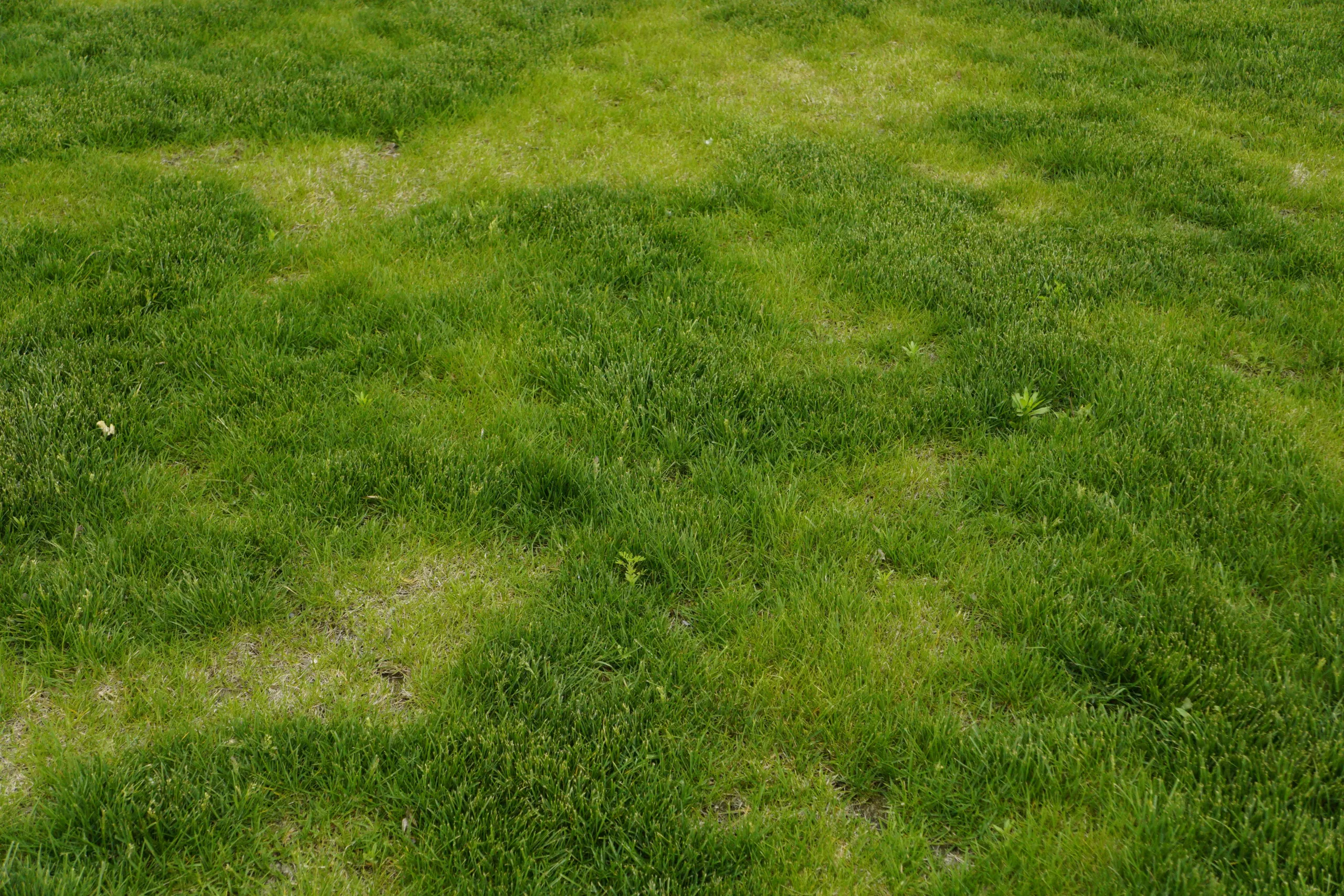
Not every brown or thin area is caused by insects. A few signs can tell you when the lawn needs a closer look.
Brown patches can come from pests, watering problems, disease, heat, or other lawn conditions. The area should be checked before treatment.
Grass with damaged roots may lift more easily from the soil. Grubs are one possible cause.
Chewed blades or turf that suddenly looks cut down can indicate feeding by insects such as armyworms.
Visible mounds are a clear sign of fire ant activity, although the colony itself extends below the ground.
Seeing insects repeatedly in the same part of the lawn or landscape is worth reporting, especially when plant or turf damage appears at the same time.
Holes, damaged leaves, hanging bags, or unusual changes in branches may indicate aphids, bagworms, borers, or other plant pests.
Brown Grass May Not Mean Insects
Brown, yellow, or thin grass does not always mean insects are present.
Too much or too little water, compacted soil, disease, poor nutrition, shade, and other lawn problems can look similar to pest damage.
Checking the lawn first matters. It helps our technicians diagnose the problem and determine what needs attention. Pest treatment will not correct a watering problem, and adding fertilizer will not solve an active grub or chinch bug problem.
For homeowners dealing with hard soil rather than insects, liquid aeration may be the more relevant service.
Follow the instructions provided after service. They may vary depending on the pest and treatment applied.
Wait until the treated areas are ready for normal use before allowing people or pets back onto them. Follow the instructions provided by the technician after service.
Some treatments may have specific watering requirements. Follow the application directions rather than changing your watering schedule on your own.
Keep an eye on the places where pest activity or lawn damage was found. Report continued activity or new damage.
Continue mowing, watering, and fertilizing as recommended. Pest treatment does not replace normal lawn care.
Different Lawn Problems
Lawn pests are only one reason grass or landscape plants may struggle. Weed Solutions Inc. provides other services for weeds, nutrition, compacted soil, mosquitoes, trees, and shrubs.
Weed control and fertilization cover seasonal weeds and lawn nutrition.
Liquid aeration treats hard, compacted soil without pulling soil cores.
Tree and shrub fertilization covers nutrition and care for ornamental plants.
Mosquito control is available separately for recurring mosquito problems around the property. Weed Solutions Inc. currently runs its mosquito program on a recurring schedule during the warmer months.
North Texas Pest Experience
Weed Solutions Inc. is locally operated and has more than 20 years of lawn care experience in North Texas. Lawn pest control is one of its core services alongside weed control, fertilization, aeration, mosquito control, and tree and shrub care.
Treatment starts with the problem in the yard. The pest, affected area, and visible damage are considered before service.
We promote transparent pricing, free quotes, and a satisfaction policy that includes a free return visit when a customer is not fully satisfied.
Common Lawn Pest Questions
These are some common questions homeowners have about lawn pests and their treatment.
Grubs, fire ants, chinch bugs, armyworms, fleas, ticks, and other outdoor pests need different treatment. Our technicians will first assess the affected areas, then focus on the right treatment for your lawn and pest problem.
Contact Weed Solutions Inc. to request a free quote. Tell the team what you have noticed in the yard; we will schedule a time to assess your lawn for pest activity and damage and recommend a treatment.