

Tree and Shrub Care
Weed Solutions Inc. provides tree and shrub fertilization for North Texas landscapes. Custom-blended treatments feed ornamental plants and address insect and disease issues when needed.
Your Plant Care Service
We start by looking at the plants and any problems you have noticed. From there, we can see what needs attention and what does not.
Yellow leaves, damaged branches, poor growth, insects, or other changes give us a starting point.
We also look at watering, drainage, sunlight, and the area around the plant. Sometimes one of these is causing the problem.
If there are signs of insects or disease, we take that into account before treating the plant.
Some plants need feeding. Some need treatment for insects or disease. Others may have a watering or landscape issue instead.
Weed Solutions Inc. uses custom-blended fertilizer when plants need additional nutrition. Insect and disease problems are treated as needed.
Keep an eye on your trees and shrubs after service. If you spot something new or a problem gets worse, give us a call.
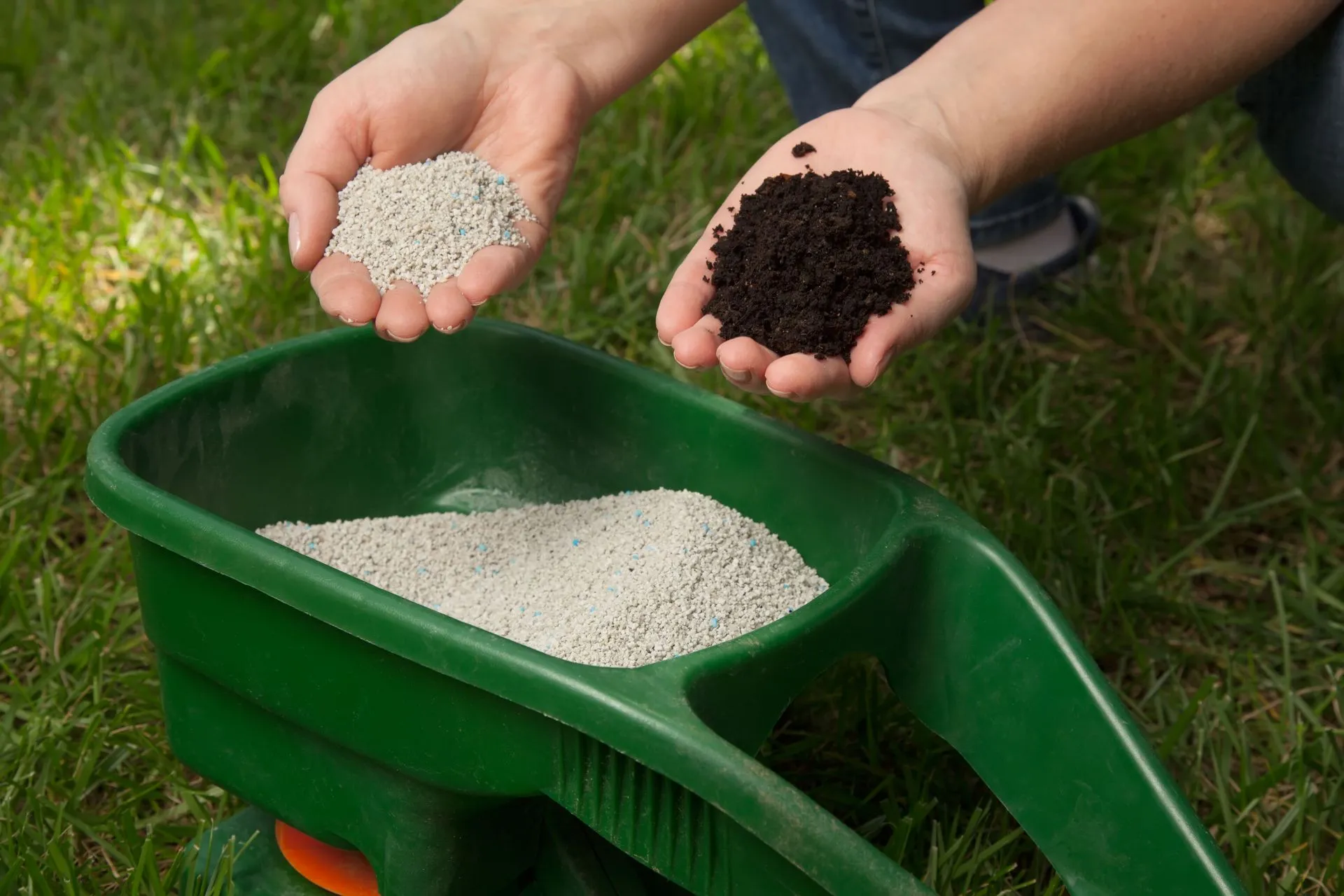
Feed Plants Where It Matters
Trees and shrubs need nutrients for healthy growth, but simply adding fertilizer is not always the answer.
The type of plant, its condition, and the surrounding soil all matter. Weed Solutions Inc. uses custom-blended formulas rather than treating every plant the same way.
Fertilizer is applied around the root area so nutrients are available where the plant can use them.
Insect and Disease Checks
Leaf spots, holes, sticky residue, webbing, yellowing, or thinning branches can point to insects or disease.
We first check what is causing the damage. If insects or disease are the problem, fertilizer alone will not fix it.
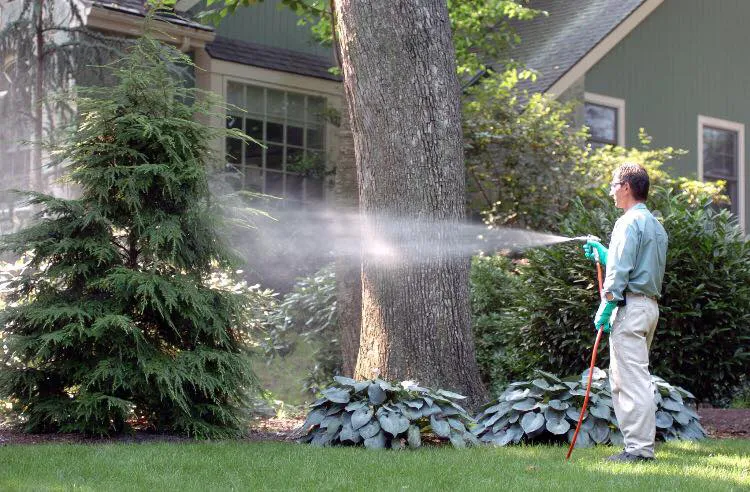
Weed Solutions Inc. includes insect and disease protection as part of its tree and shrub care. The treatment used depends on the plant and the problem found during the technician’s visit.
You do not need to know exactly what is wrong with a plant before calling. If it looks different than usual, it is worth having it checked.
Yellow leaves, brown edges, spots, holes, curling, or leaves dropping earlier than usual can all be signs that something is going on.
If you suddenly notice insects, webbing, sticky leaves, or damage to the leaves and stems, let us know.
A shrub may look thinner, new growth may be limited, or a flowering plant may not bloom as well as it normally does. These changes are worth checking.
Bare sections or branches that are losing leaves can be a sign that the plant is struggling.
You know what your landscape normally looks like. If a tree or shrub suddenly starts losing color, dropping leaves, or looking unhealthy, you do not have to diagnose it yourself. Have us take a look.
Care Between Service Visits
Regular watering, pruning, and landscape maintenance still matter after tree and shrub treatment.
Water as Directed: Follow the watering instructions provided after service. Too much or too little water can cause plant problems of its own.
Watch for New Damage: Check leaves, stems, and branches for new spots, holes, insects, webbing, or unusual changes.
Avoid Heavy Mulch Around Trunks: Do not pile mulch directly against tree trunks or plant stems. Too much mulch around the base can hold excess moisture and create conditions for rot, disease, and other problems.
Report Sudden Changes: Rapid leaf loss, wilting, heavy insect activity, or sudden discoloration should be reported rather than waiting for the next visit.
Treat the Right Problem
A struggling tree or shrub does not automatically need more nutrients.
Too much or too little water, poor drainage, insects, disease, pruning, root problems, and weather can all affect how a plant looks.
That is why the plant’s condition is checked before deciding which treatment makes sense. Fertilizer is used when nutrition needs attention. Insect and disease treatments are used when those problems are present.
For general guidance on diagnosing landscape plant problems, Texas A&M AgriLife Extension provides Texas-specific information on trees, shrubs, plant diseases, insects, and landscape care.
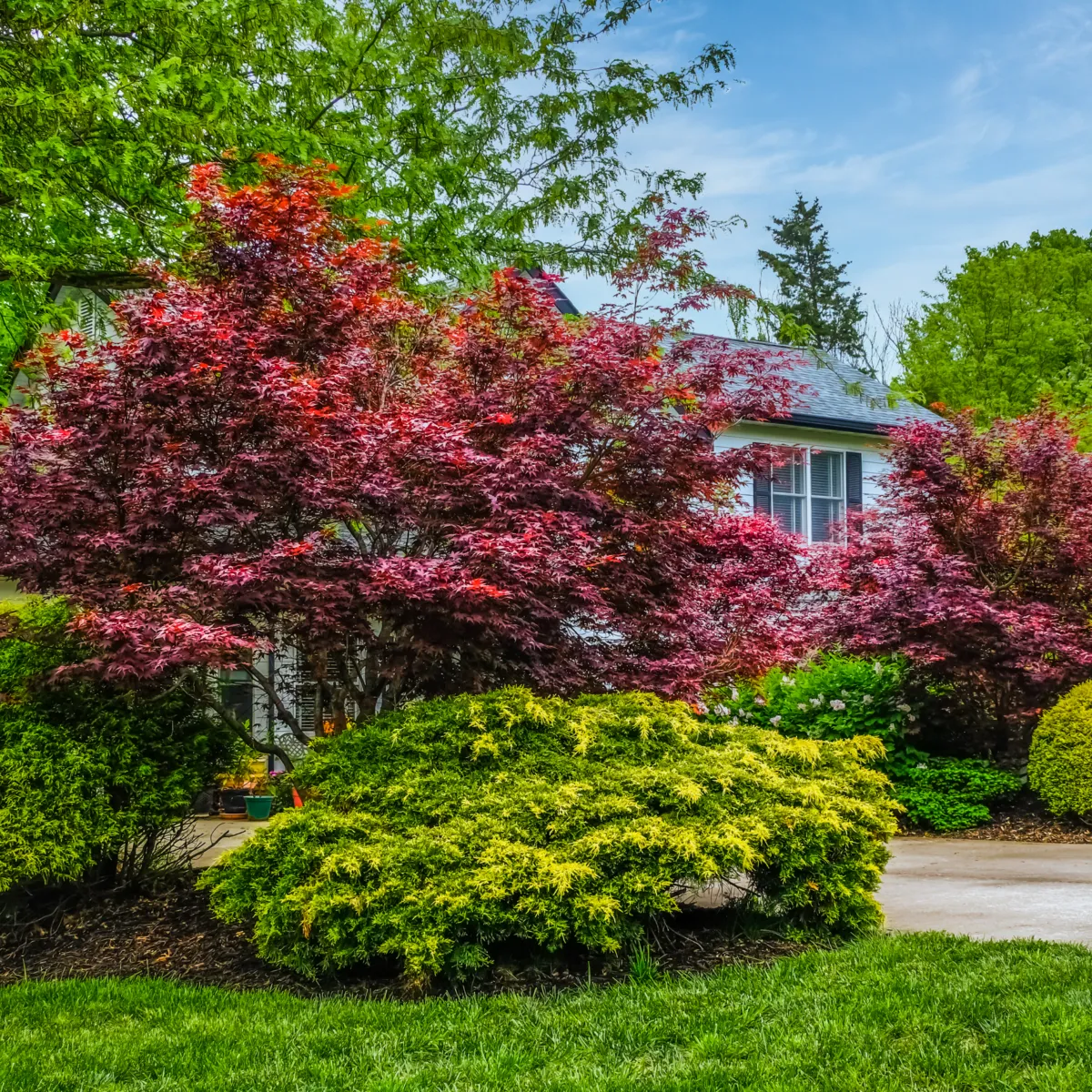
Complete Yard Care
Tree and shrub fertilization covers ornamental plants in the landscape. Other parts of the yard may need different care.
These services are currently part of Weed Solutions Inc.’s broader North Texas lawn and pest care offering.
Weed control and fertilization help control lawn weeds and provide nutrition for the grass.
Liquid aeration loosens hard, compacted lawn soil without pulling soil cores.
Lawn pest services address insects that can damage grass and other parts of the yard.
Mosquito control is also available for mosquito problems around the property.
North Texas Plant Care
Weed Solutions Inc. has more than 20 years of lawn and landscape care experience in North Texas. The company is locally operated and does not require service contracts.
Tree and shrub care starts with the plants themselves. Their condition, visible damage, insect activity, and surrounding landscape conditions are checked before treatment.
Custom-blended fertilizer, insect treatment, and disease care can then be used based on what the plants need, rather than giving every tree and shrub the same application.
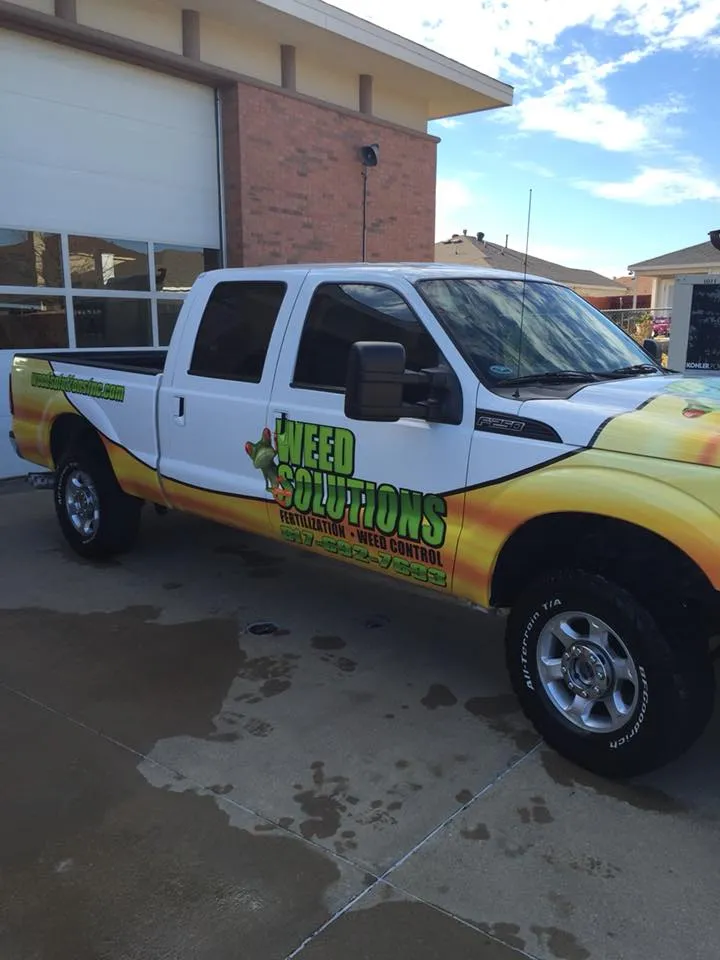
Common Plant Care Questions
Here are answers to common questions about fertilizing trees and shrubs, plant problems, and what to watch for between visits.
Trees, shrubs, and ornamental plants may need nutrition, insect control, disease treatment, or a closer look at their growing conditions. Weed Solutions Inc. provides tree and shrub care based on the plants and the problems found.
Contact Weed Solutions Inc. to request a free quote. Our technicians will check your trees and shrubs and recommend care that addresses the issues you are seeing in your landscape.