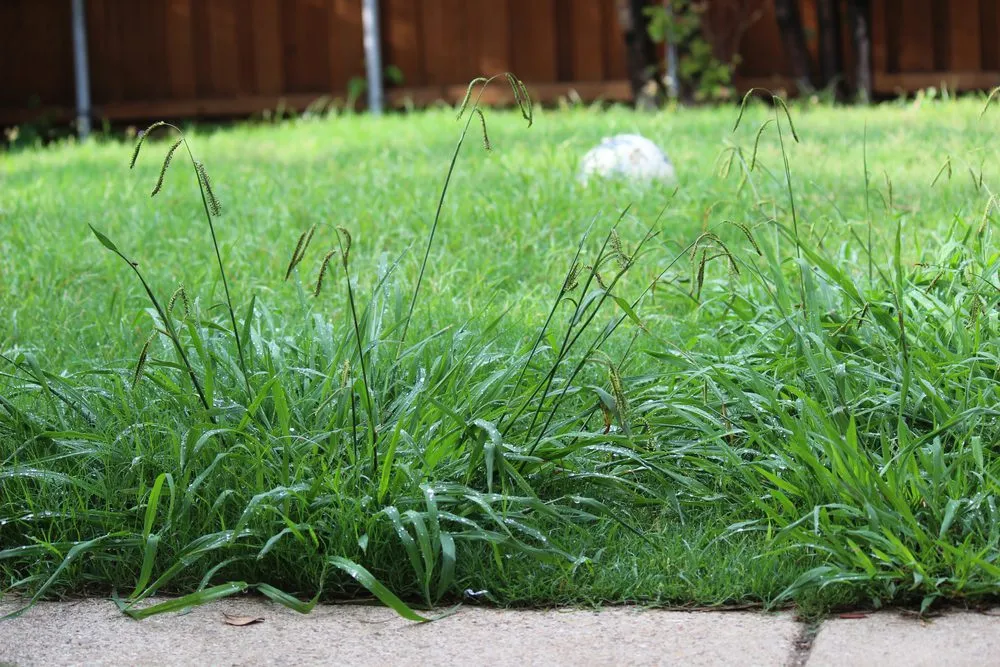
North Texas weeds do not wait for the lawn to catch up.
Weeds can take over a Dallas-Fort Worth lawn quickly, especially when the grass is thin, stressed, or not getting the nutrients it needs. One week the yard looks manageable, and the next you are seeing crabgrass by the driveway, clover in weak patches, nutsedge after rain, or broadleaf weeds spreading near the curb.
Weed Solutions provides weed control and fertilization in Dallas and Fort Worth, TX for homeowners who want a stronger, cleaner, better-supported lawn. Our approach is built around North Texas conditions, including hot summers, clay-heavy soil, inconsistent rainfall, drought stress, and weed pressure that changes throughout the year.
The process is simple from the first quote.
Start by requesting a quote for weed control and fertilization in Dallas-Fort Worth. Tell us what you are seeing, whether it is crabgrass, clover, nutsedge, dandelions, poor color, thin grass, or recurring weed patches.
We review your lawn’s condition and look for signs of active weeds, weak turf, compacted soil, pest damage, watering issues, and seasonal stress.
Your plan may include pre-emergent weed control, post-emergent treatment, targeted spot treatment, fertilization, and follow-up care.
Our team applies the recommended treatments with attention to timing, weather, grass type, and lawn condition.
As the lawn changes through the season, Weed Solutions can monitor progress and adjust recommendations when needed.
A good plan treats what is growing now and what is coming next.
Weed Solutions builds lawn treatment plans around the season, the grass type, and the condition of the yard. Some lawns need prevention before weeds germinate. Others need help with visible weeds, poor color, or grass that is not filling in the way it should.
Pre-emergent weed control helps reduce weeds before they break through the soil. Timing is important because these treatments work best before targeted weeds germinate.
In Dallas-Fort Worth, pre-emergent applications can help with seasonal weeds such as crabgrass, poa annua, rescuegrass, and other annual weeds that often take advantage of thin or open turf. Spring and fall timing are both important because weed pressure does not happen in only one season here.
Post-emergent weed control is used when weeds are already visible. These treatments help manage active weed growth in the lawn, whether the weeds are scattered throughout the yard or concentrated in certain areas.
Common weeds in Dallas-Fort Worth lawns may include dandelion, clover, henbit, chickweed, spurge, nutsedge, crabgrass, and other broadleaf or grassy weeds. Some weeds respond quickly, while others need more patience and follow-up depending on the season and lawn condition.
Broadleaf weeds are usually easy to spot because they look different from the grass. Clover, dandelion, chickweed, henbit, plantain, and spurge can interrupt the look of the lawn and spread into weak spots.
Grassy weeds can be trickier because they may blend in at first. Crabgrass, poa annua, and rescuegrass can become frustrating in Dallas-Fort Worth yards, especially when pre-emergent timing is missed or the lawn has open areas.
Not every part of the lawn has the same problem. Weed pressure is often heavier near driveways, sidewalks, fence lines, curb strips, patios, drainage areas, and spots where irrigation overspray keeps the soil damp.
Targeted spot treatment allows us to focus on problem areas while still supporting the lawn as a whole. This is helpful for stubborn weeds, recurring patches, and areas where weeds seem to return first every season.
Fertilization is one of the most important parts of long-term lawn improvement. A thicker lawn leaves less room for weeds to spread. It also helps the grass handle heat, traffic, mowing stress, and seasonal changes more effectively.
Our fertilization services help support:
Stronger root growth
Better turf color
Thicker lawn coverage
Improved recovery from stress
Better resistance against weed pressure
Healthier seasonal growth
Fertilization is not about forcing fast growth at the wrong time. It is about feeding the lawn properly so the grass can perform better through the season.
Weeds shift with the weather. A lawn may look clean after one visit, then see new pressure after rain, heat, mowing changes, or irrigation issues. Weed Solutions monitors progress and can adjust the plan as needed.
Local weather makes weed pressure harder to predict.
Dallas-Fort Worth lawns deal with a tough mix of conditions. Summer heat can slow grass growth and expose weak areas. Clay soil can become hard and compacted, making it harder for water and nutrients to reach the roots. Sudden rain can encourage fast weed growth, while dry stretches can leave turf thin and stressed.
Homeowners may also notice weed pressure near entrances, sidewalks, medians, parking areas, HOA common spaces, driveway edges, and fence lines where the grass is worn down or the soil is disturbed.
Common local challenges include:
Heavy clay soil
Heat and drought stress
Sudden rainfall
Thin turf in high-traffic areas
Irrigation inconsistency
Shade from trees or structures
Lawn insects that weaken grass
Disease pressure during humid weather
These conditions make it easier for weeds to move in. That is why weed control and fertilization should work together instead of being treated as separate one-time fixes.
Spring is one of the most important times for weed prevention. Warm-season grass begins waking up, but weeds often start earlier. Pre-emergent weed control, early post-emergent treatment, and properly timed fertilization can help prepare the lawn before summer pressure builds.
Summer heat can be hard on Dallas-Fort Worth turf. During this season, Weed Solutions focuses on supporting the lawn without over-stressing it. Spot treatments, careful fertilization, pest monitoring, and weed control may all be part of the plan, depending on the condition of the grass.
Fall is when many cool-season weeds begin preparing to germinate. Fall pre-emergent treatments can help reduce winter and early spring weed problems. Fertilization may also help warm-season turf recover from summer stress before dormancy.
Warm-season lawns often go dormant in winter, but weeds can still grow. Winter weeds may stand out more because the grass is not actively growing. This is a good time to monitor problem areas and prepare for spring prevention.
Weed Solutions keeps lawn care practical and local.
Weed Solutions understands that Dallas-Fort Worth lawns are not all the same. A sunny Bermuda lawn in Fort Worth may need a different plan than a shaded St. Augustine yard in Dallas. A newer property may have compacted construction soil, while an older lawn may have mature trees, uneven irrigation, or worn traffic paths.
Homeowners choose Weed Solutions because we focus on what the lawn actually needs. We look at weed pressure, turf thickness, grass type, soil behavior, and seasonal timing before recommending a plan.
With Weed Solutions, you get local experience, professional weed control, seasonal fertilization, practical recommendations, and follow-up support designed for North Texas lawns.
Weed Solutions provides weed control and fertilization services throughout the Dallas-Fort Worth area, including:
Arlington, Irving, Garland, Plano, Richardson, Mesquite, Grand Prairie, Carrollton, Farmers Branch, Addison, Duncanville, DeSoto, Cedar Hill, Keller, Southlake, Colleyville, Grapevine, Hurst, Euless, Bedford, North Richland Hills, Mansfield, Burleson, Benbrook, Aledo
Homeowners usually ask these before starting treatment.
If weeds are spreading, your lawn is thinning, or the grass is not responding the way it should, Weed Solutions can help. Our weed control and fertilization services in Dallas and Fort Worth are designed to reduce weed pressure, strengthen turf, and support healthier seasonal growth.
Request your free quote today and let Weed Solutions help your lawn grow cleaner, stronger, and easier to maintain.